


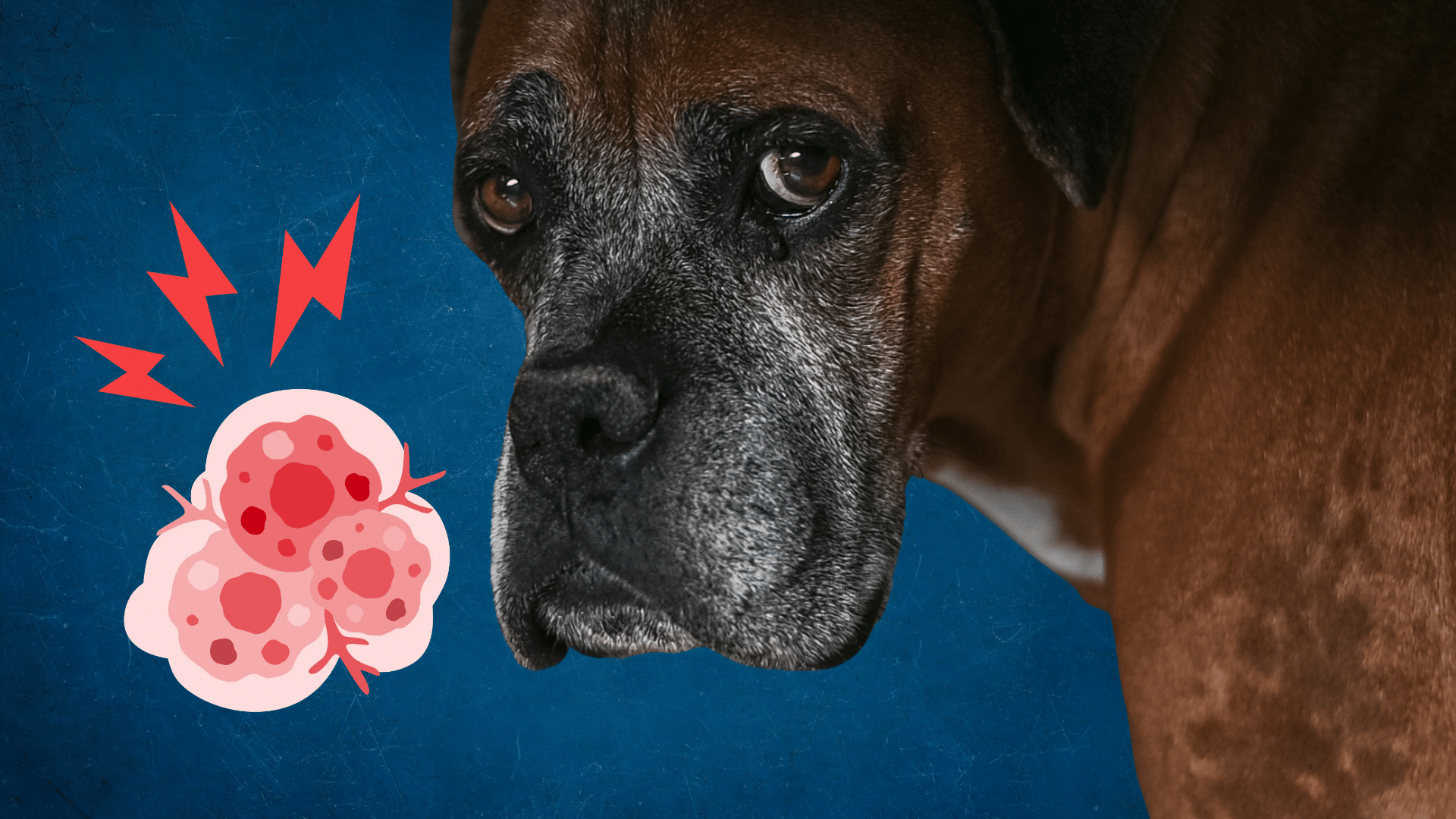
You’re petting your dog when your fingers suddenly find something unfamiliar beneath their fur. It’s a lump you’ve never noticed before, and naturally, you’re wondering what it could mean. Could it be harmless, or might it be a sign of cancer in dogs?
Everett Veterinary Hospital provides comprehensive veterinary care for dogs, including veterinary visits for skin concerns in Everett, WA. Our team evaluates suspicious growths, so you can make informed decisions about your dog’s health.
Does a Lump Always Mean My Dog Has Cancer?
Not necessarily! Dogs can develop many different types of lumps throughout their lives, and plenty of them are noncancerous.
For example, lipomas are benign fatty growths frequently found in middle-aged and older dogs. Other bumps may be cysts, skin tags, or areas of inflammation. However, some malignant tumors can resemble these harmless growths, making it impossible to identify cancer through appearance or touch alone.
Cancer in dogs is still a significant health concern, particularly as pets get older. The AVMA reports that about 25% of all dogs develop cancer.
What Are the Possible Signs of Cancer in Dogs?
Although a new lump may be the most noticeable symptom, cancer in dogs can present itself in several ways. Some changes are subtle, while others may develop more quickly.
Potential warning signs include:
- Unusual lumps or bumps: New growths or existing masses that change in size, shape, or appearance.
- Unexplained weight loss: Losing weight despite maintaining normal eating habits.
- Sores that don’t heal: Wounds or skin abnormalities that persist longer than expected.
- Abnormal bleeding: Unexpected bleeding from the mouth, nose, or other areas.
- Changes in appetite or activity: Reduced interest in food, walks, or favorite activities.
- Breathing difficulties: Persistent coughing, labored breathing, or unusual shortness of breath.
These symptoms don’t automatically indicate cancer. Infections, injuries, and other medical conditions can cause similar changes.
However, if your dog develops persistent or unusual symptoms, it’s best to have them examined rather than waiting for the problem to resolve. Severe breathing difficulties or uncontrolled bleeding require emergency veterinary attention.
What Happens When a Veterinarian Examines a Dog’s Lump?
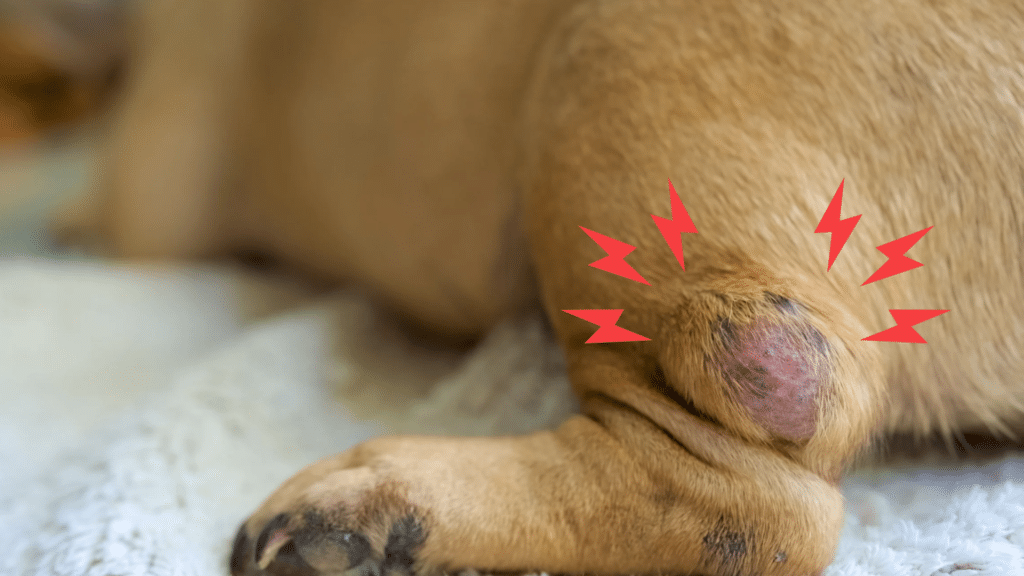
If you discover a lump, start by noting where it’s located and approximately how large it is. Avoid squeezing or manipulating the growth, as this could cause discomfort or irritation.
During a veterinary visit to Everett Veterinary Hospital, your veterinarian will examine the lump and consider factors such as your dog’s age, medical history, and any accompanying symptoms. Additional testing may be recommended to determine what the growth contains. This could involve collecting cells with a small needle or biopsies for suspected cancer.
If cancer in dogs is diagnosed, treatment recommendations depend on the type of cancer, its location, and whether it has spread. Some tumors can be treated surgically, while others may require additional care or a specialist’s evaluation.
How Often Should I Check My Dog for Lumps?
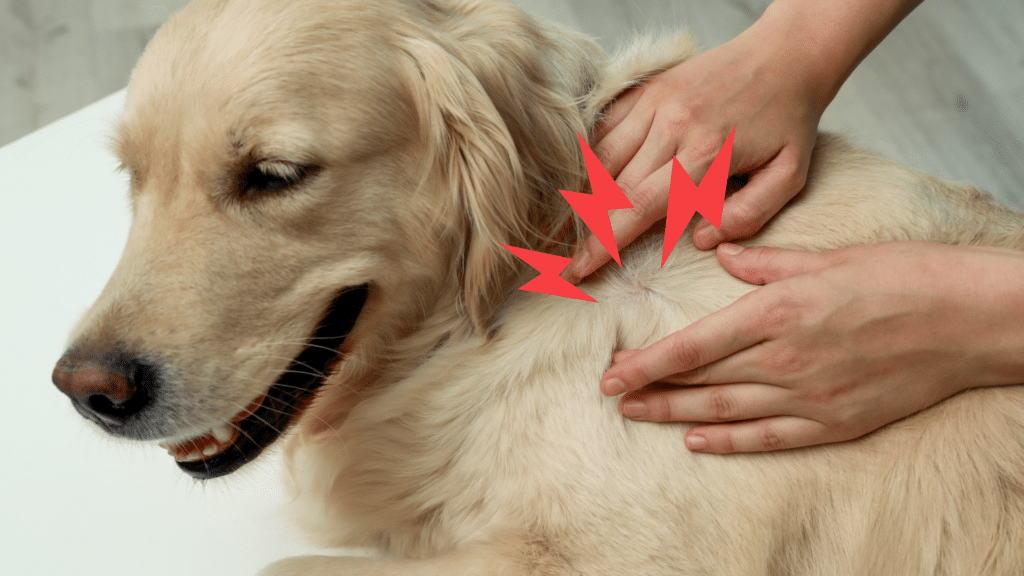
You don’t need special equipment to perform a basic skin check at home. Simply make it part of your dog’s regular grooming or bonding routine.
Gently feel along their back, chest, stomach, neck, and legs. Check beneath their collar, between their toes, and around their tail. If your dog is comfortable, take a quick look inside their mouth for unusual growths or changes. Pay attention to any lumps that appear, grow, change texture, or become painful.
Senior dogs benefit from more frequent examinations because their risk of developing certain medical conditions increases with age. Everett Veterinary Hospital offers senior pet care and wellness examinations to monitor changes in your dog’s health as they get older.
Can a Dog Have Cancer Without Any Lumps?
Yes. Some forms of cancer in dogs affect internal organs, blood cells, or tissues that cannot be examined from the outside.
For this reason, unusual symptoms such as ongoing digestive problems, persistent fatigue, abdominal swelling, or unexplained weight loss should also receive veterinary attention.
Regular wellness visits give your veterinarian an opportunity to evaluate your dog’s overall health, even when there are no visible growths.
Get Your Dog’s Lump Evaluated in Everett, WA
If you’ve noticed a new bump on your dog, you don’t have to spend days wondering what it might be. A veterinary exam can provide valuable answers and identify whether additional testing or treatment is necessary. Everett Veterinary Hospital is a locally-owned veterinary practice serving dogs and cats throughout Everett, Lynnwood, Edmonds, and surrounding communities.
Don’t panic over an unfamiliar lump, but don’t ignore it either. Schedule an appointment with Everett Veterinary Hospital to have your dog evaluated and take the next step toward understanding their health.